“Jews may often be seen sitting for hours at the Wailing-place bent in sorrowful meditation over the history of their race, and repeating often times the words of the Seventy-ninth Psalm. On Fridays especially, Jews of both genders, of all ages, and from all countries, assemble in large numbers to kiss the sacred stones and weep outside the precincts they may not enter” Charles Wilson, 1881.
Kotel, Western wall, Wailing wall:
Watching Jewish prayer and pilgrimage meditating on this 187 foot exposed section of the ancient wall and placing written prayer into a crevice of the wall is an experience cannot be felt by the words in any textbook or YouTube clips.
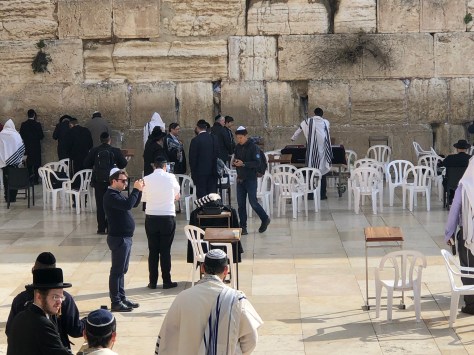
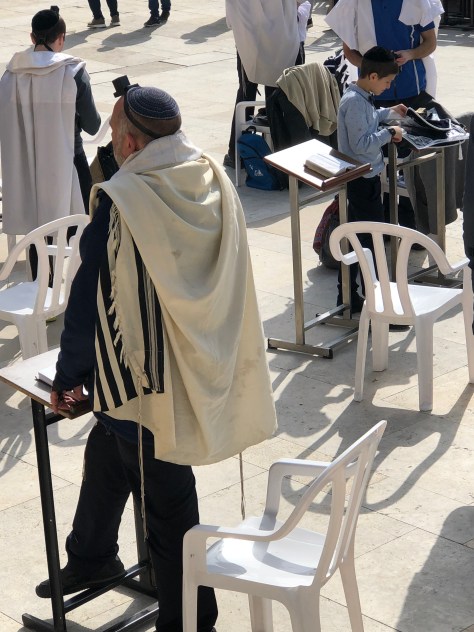
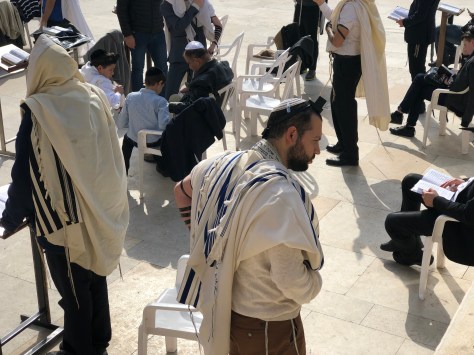
What is special about Western wall?
The wall has withstood time and has witnessed war and peace. Long before the first temple was built, Abraham came here to sacrifice his son Isaac, and Jacob slept here, dreaming of a ladder to heaven.
Then called Mount Moriah, its summit was where Solomon built the First Temple on the land that his father King David bought from Aravnah, the Jebusite, 3,000 years ago. Then the Babylonians destroyed it in 586 BC. and the Jews were expelled from the land of Israel. They were allowed to return 70 years later and built the Second Temple.
King Herod (who ruled 37-4 BC) decided to rebuild that in 19 BC. He had a problem, though: the Temple was on the peak of a mountain where there was limited space. Herod, who was known for huge building projects (such as the port at Caesarea, and his palace at Masada), decided to build four massive supporting walls around the mountain and transform it into a level platform. Which he did, and built the next Temple on the new platform. And inside the temple was the holy of the holies, It contained only the Ark of the Covenant, the symbol of Israel’s special relationship with God.
In 70 AD, during the Jewish rebellion against the Romans, Jerusalem was conquered and the Temple destroyed.
After the rebellion, Jews were not allowed to return to the Temple mound and the Kotel (Western Wall) was the closest they could come to that area. The Western Wall is the most sacred, because the Temple (and its inner Holy of Holies) had been built closest to that wall. Since then, the Western Wall has been the center of Jewish belief. For Jews, touching the stones links them with their nation and heritage, and their long turbulent history.
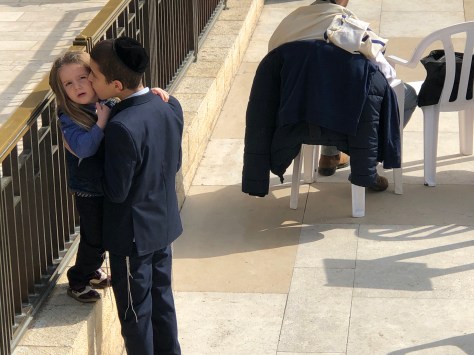
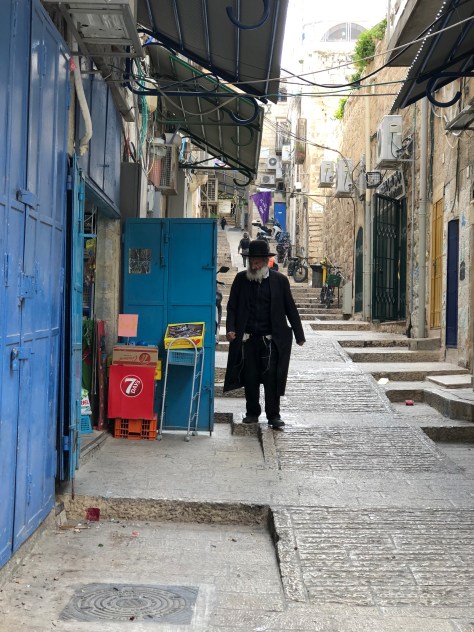
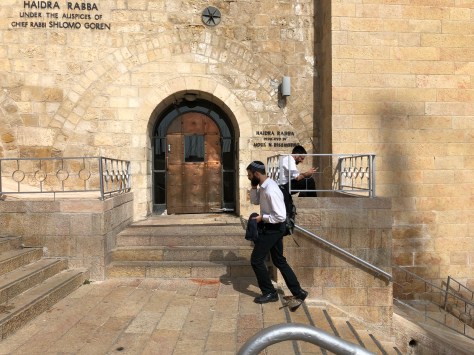
Western wall tunnel: highly recommended
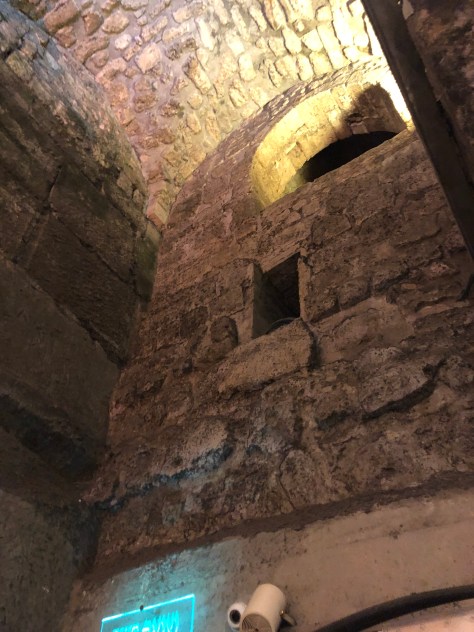
Like the tip of an iceberg, the Western Wall plaza represents only a small part of the whole picture. Most of the Kotel lies buried beneath the rubble of time and hasn’t seen the light of day for centuries. The tunnel exposes a total length of 485 m of the wall, revealing the methods of construction and the various activities in the vicinity of the Temple Mount.
From first temple to second temple to later bazentine period and crusade time, the complex hadn’t been destroyed, on the contrary you can easily find two walls next to each other but thousand years apart. How fascinating it is! Our guide joked that recycling was not invented recently, actually 2000 years ago.
Every wall must have two sides – The Jewish Archeological Park
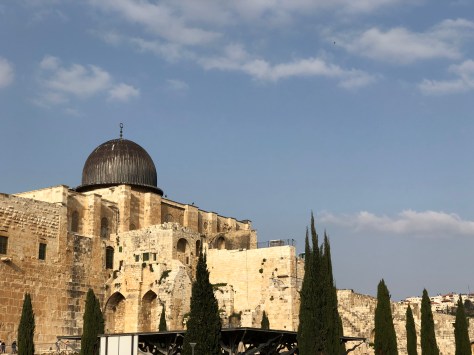
Another spectacular site to see how magnificent the wall it is and trace some visible signs of previous market places, arches and pavement which had been later on destroyed by the Romans.
It is a pretty much wall sights seeing day also overwhelmed with so much history concentrated in one place, we were quietly sitting in the staircases between its timeless stones and enjoyed the sunset over Mount Zion.
 LucyMay